Strategy Primer for the Digital Front Door
Digital Strategy
Phase2
May 28, 2024
Around Phase2, we talk a lot about the Digital Front Door (DFD), and our first stop for advice is always VP, Strategy, Jen Segalini. Jen has seen and considered every facet of the DFD and has led the strategy for clients like Northwell Health, Ochsner, and AdventHealth.
I sat down with Jen to get her take on how leading health systems can wrap their arms around DFD priorities today, and — no surprise — she shared a wealth of insight and advice.
With so many potential areas of focus for the DFD, where should leading health systems start and what should drive prioritization?
Jen: It’s so true health systems often struggle with where to look next for their DFD. Every health system should keep an eye towards their long term strategy, but no matter what, every DFD investment should aim to:
- Improve patient and user experience and access to care
- Drive revenue growth
It’s so helpful to have that clarity of purpose. Where would you start when it comes to bringing those priorities to the patient journey?
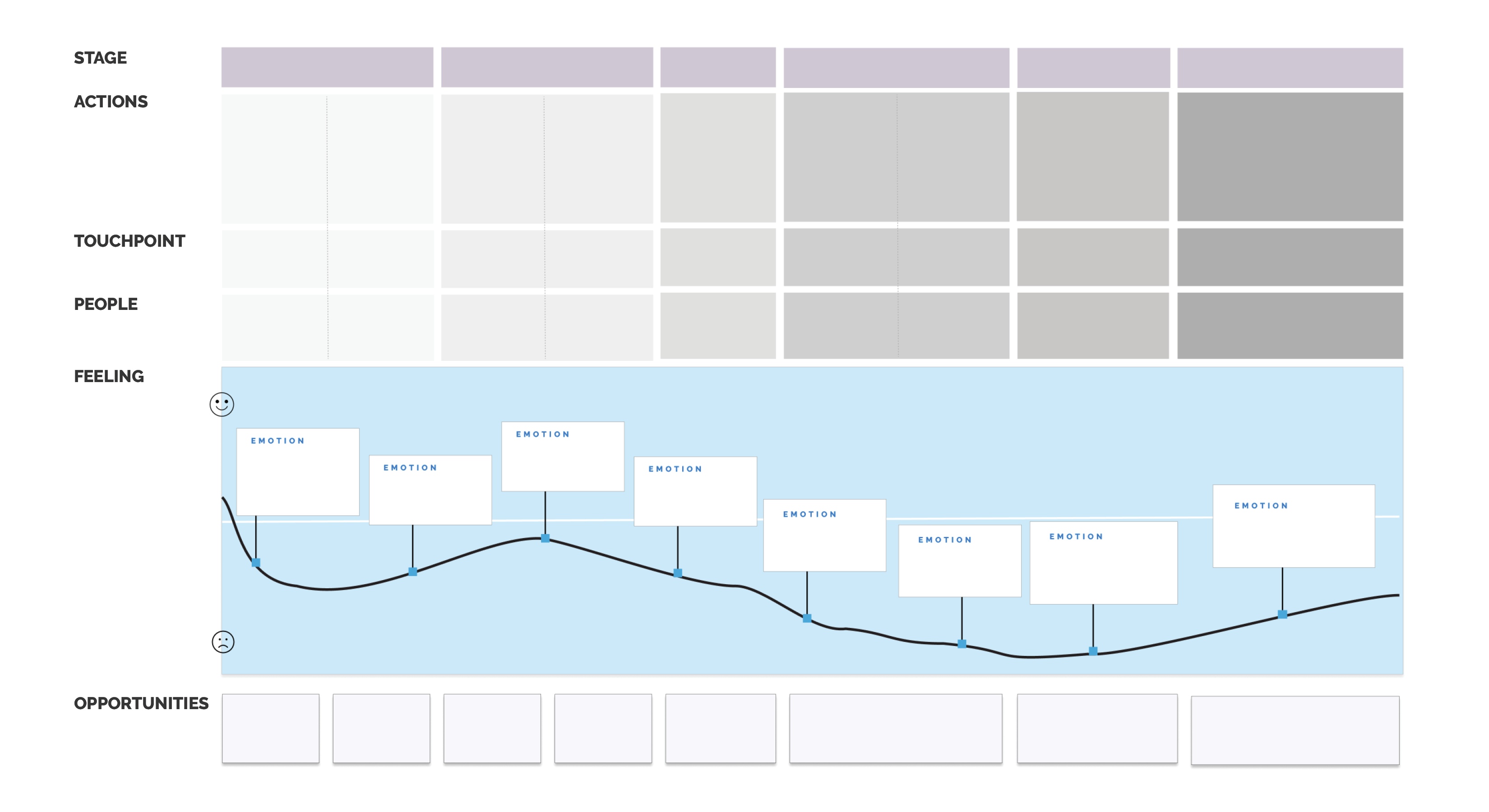
Jen: It’s all about connected health journeys. No matter where they are — digital or in-person — patients should feel like they are on a cohesive, intuitive, and guided journey no matter how they choose to interact with your health system. The DFD can play a big role in breaking down silos and enabling seamless transitions between digital and in-person touchpoints, and a journey map is a great tool for this.
“Cohesive, intuitive, and guided” I like that a lot. Tell me more about what you mean.
Jen: This is actually a place where I have seen AI be effective at delivering empathetic intelligence. From symptom checkers to virtual assistance, the tool should feel like a knowledgeable and helpful companion guiding patients toward better health outcomes. Getting this right means maintaining trust by making sure the information delivered is relevant, contextual, and thoughtful.
You can really tell when you are in a well-designed experience and when you are not. How do you address getting that right given how diverse the health system audiences are?
Jen: Inclusivity is key here. Embracing a human-centered approach means that you consider the diverse needs, preferences, and capabilities of your patient population. The best digital products build and deepen relationships between the brand and its customers, which means offering unique, value-add services to set your DFD apart.
Inclusivity is so important, and alongside that is the importance of access. What are some of the considerations there?
Jen: Yes, inclusivity without access is pretty useless! There are so many barriers to care that we see in our patient journeys, and so many ways the DFD can address them. For example, remote care options, streamlining appointment setting, and providing clear pathways are great places to start. Having several options of how to engage really helps patients and users to navigate, find, and access the services they need.
Earlier you mentioned trust. With so many headlines about data breaches in health systems, what are the best ways to address security to maintain trust?
Jen: For health systems especially, there are no shortcuts for security. All the recent hacks and breaches punctuate the need for robust security with efforts like continuous monitoring and regular patient data audits. Another factor here is transparency. Rigorous security is a must, but sharing with patients so that they understand how you are keeping them safe is equally important.
Lastly, you mentioned the importance of the DFD driving revenue growth. Obviously all of the areas you have mentioned drive loyalty and patient experience which helps with retention, but what else can the DFD do to drive revenue?
Jen: The DFD really can be a revenue-generating machine for the benefit of health systems and patients, and it is all about appropriately leveraging data to identify new growth opportunities. There are so many great examples here, but the best strategy is to surface targeted, personalized services to patients and prospective patients. Done well, these are positive, trust-building interactions that make patients feel seen and understood.
Thank you so much for all of your insight, Jen. We could talk for days about this! I’m so glad we could share a snippet of your experience.
In case you missed it, check out The Remix: The Evolution of the Digital Front Door. and If you are ready for more insight from Jen or for her to take a peek at your DFD, get in touch!